

Quick notes to help you find new business in less time with less effort. . . sometime next week.
In this issue:
- Thoughts on Free Time
- Being Human
- Random Stuff
- Back In The Day
Thoughts on Free Time
- The consultant's consultant Dr. Alan Weiss is fond of saying real wealth doesn't come from money, it comes from having discretionary time. I agree but for most US Americans thoughts of undirected free time creates as much anxiety as being short on funds, so it's easy to fill time by working for money.
- Knowing how we feel about free time, consider working inside of time blocks. It helps you feel like you're getting a lot done in a short period of time. That means you won't feel bad about sitting around or doing something non-work related. Think of it as a guilt hack.
- Talking about organizing work into blocks is an easy way to show your team how to keep track of their time. If we really believe it's the real non-renewable resource, we should know a little about what we do with it.
- Here's an easy undirected, non-money making, free-time filler for us to try next week. Sit and look at old photos for as long as we can. It should get some serotonin flowing and remind us of what's important.
Being Human – It's the same
"Familiarity is a magician that is cruel to beauty but kind to ugliness." – Ouida

When I first started business travel I was excited to see and experience new cities. I was managing a team of remote sales reps and most of them lived in suburban areas of these big cities. I stayed in Marriott Courtyards and in a short time if anyone asked what I thought of X city I would say, "it's nice." Every suburban office park looked the same. Part of it was my choice of hotel. Three or four hotel chains, franchise restaurants, and big glass office buildings with excellent landscaping, located conveniently between the airport and the salesperson's house. They weren't inspiring spaces, but efficient like they were designed by committee.
I read an article on startups and the new breed of entrepreneur using AI tools to make services or products faster than ever before. One of the challenges they face, the article said, is moving too fast. We can spin up ideas in hours versus weeks or months which leads to faster customer discovery. The downside is bad ideas go further, faster sending us off track.
That's interesting, but when reviewing their examples I saw something else. The pitch decks and the websites looked alike. Polished and professional, but a lot like looking at a set of pictures of every Courtyard by Marriott I used to stay in. It's like their use of AI pushed them to make the equivalent of a 2000's office park. Those developments worked. They were easy to build.
I just drove through a new office park in a big city this week with apartments and a hotel at the top of office buildings with retail on the bottom. Narrow streets and walkable versus the expansive office parks I used to frequent. Compared to those this one felt like a human was in there somewhere, tweaking the system, trying something new. They may be on to something or it may be a weedy eyesore in ten years, but at least it's different.
Random Stuff
A spine to my films that’s become more evident to me is that many are about the choices people make, and the reverberations of those choices. You go this way, or that way, and either way, there’s going to be consequences.” – Spike Lee
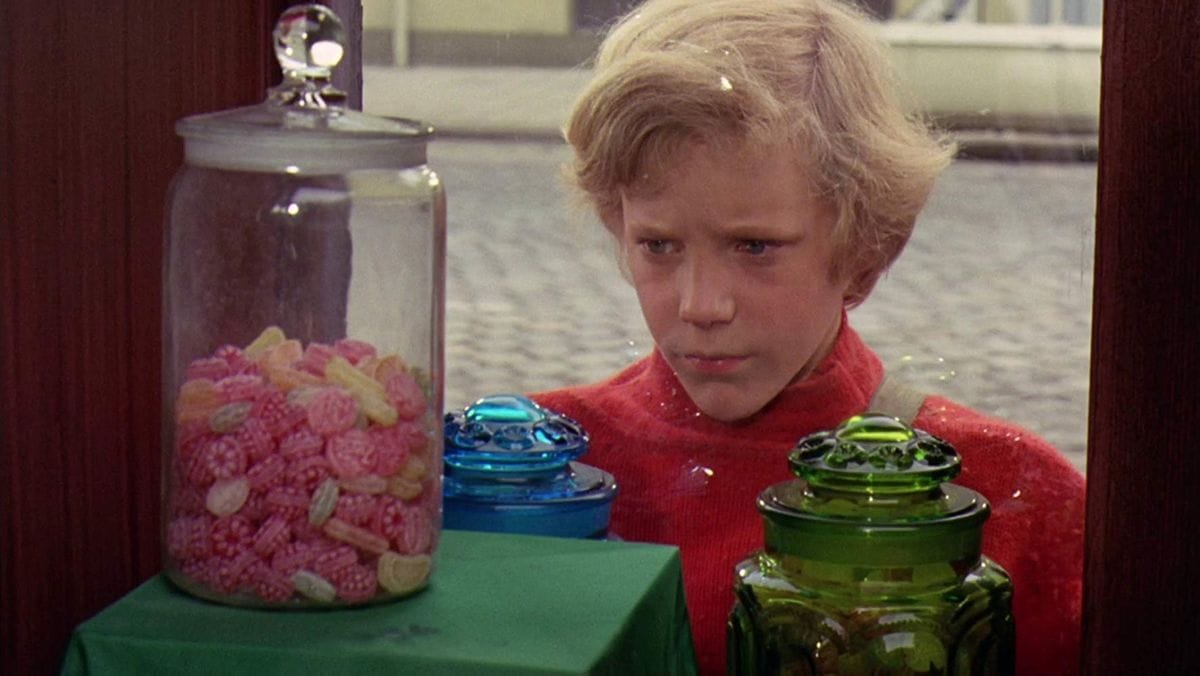
How many places have you lived? When my lovely bride was growing up, she moved a dozen or so times before she entered junior high. Since she left high school, her parents moved probably a half dozen more times. My parents, on the other hand, have lived in the same house for maybe fifty years. We've lived in our house for 28 years.
During these nearly three decades we've tried to move multiple times but failed bids, false leads, and dragging our feet have kept us in one place. So it shouldn't have been a surprise to learn my parents had looked at other houses multiple times as I grew up, but it was. I've learned that I missed a lot of things happening around me as I grew up. This goes on the list.
When thinking of alternate paths our lives could have taken, the usual assumption is the change would have led to something better. The thought of not growing up where I did is the exact opposite. As my mom told the stories of what they looked at and when, I wrinkled my nose and thought, that would have been bad. I haven't asked my kids (and won't) but they might say the same if I described the places we considered but didn't follow through on.
Would it have been worse? Better? Hard to say. They never had reason to move. I've never had reason to move.
But we could if we wanted to.
In the end that's probably the answer. Bad outcomes come from thinking you have no options. Better outcomes come from thinking you have a choice.
Back in the Day
What I was thinking about last year, five years ago, and ten years ago.
- Last Year: Right FIT #494 – Thinking about relaxing this time last year because I was taking a trip through the upper midwest lake areas on my way to a wedding. The Being Human section features FIT which says you get more done when you're not trying too hard, but trying. After seeing some startups that are focused on AI, this is even more important because these tools make you feel like you should be doing more all the time.
- Five Years Ago: Right FIT #285 – A recurring theme: when you're selling if you can convince yourself that your prospect's "yes" answer is as good as their "no" answer, you will make more sales. Letting it go makes it happen because you will be focusing on the right thing: finding the exact right solution.
- Ten Years Ago: Right FIT #23 – One of the random thoughts jumps out: Humans try things that don't work, robots don't. It kind of holds up in the age of AI LLMs, but it feels incomplete. Humans are ok with it not working. Robots don't know.

